
St. Patrick’s Day recipes are what I reach for when the calendar hits mid March and I want something cozy, earthy, and simple enough to pull off after work. Maybe you feel it too. You want a meal that feels festive but not fussy. You want tender meat, buttery potatoes, and that fill-the-house aroma that draws everyone to the kitchen. Same here. So I’m sharing the recipes and little tricks I lean on every year, especially my go-to Irish Stew that never lets me down. Grab a spoon. We’re simmering tonight. 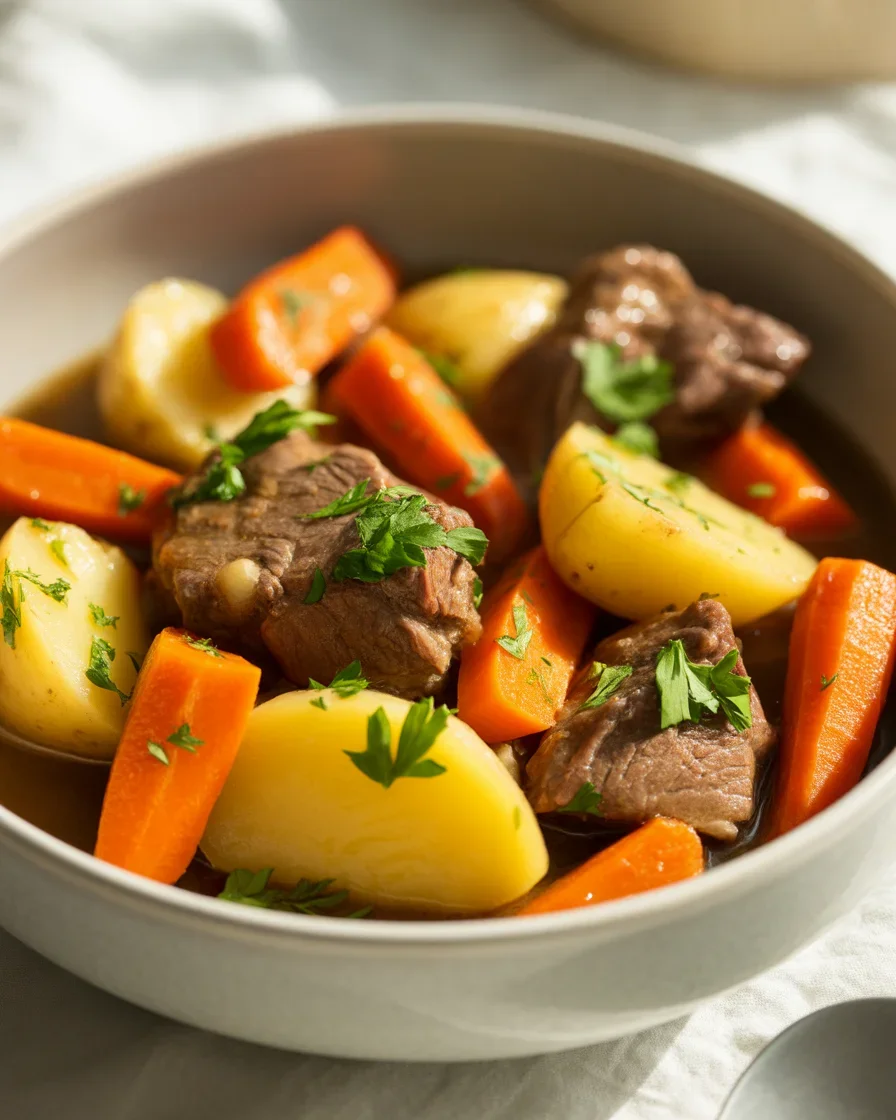
What is Irish Stew?
Irish Stew is the classic pot of comfort I make when the wind is still sharp and I want something that tastes like a warm hug. It’s traditionally a rustic blend of lamb or mutton, potatoes, onions, and sometimes carrots. The magic comes from slow simmering. You get a silky broth that coats the spoon, veggies that hold their shape yet feel tender, and meat that’s soft enough to nudge apart with your fork.
I love that this dish is humble and flexible. If you’re cooking for a crowd, it’s easy to scale up. If you’re feeding two, it reheats like a dream and even tastes better the next day. The broth is simple, usually just water or a light stock, plus a handful of fresh herbs like thyme and parsley. No fancy steps. No hard-to-find ingredients. Just a steady simmer and a little patience.
Some folks layer the vegetables and meat in the pot then let it cook low and slow. Others brown the meat first for deeper flavor. I’ve tried both, and honestly, both work, depending on how much time you’ve got and whether you’re chasing that deep savory note. Either way, you end up with a bowl of comfort that feels perfect for a March table.
Want a side that makes it feel like a proper Irish pub meal? Bake a loaf of Irish soda bread to swipe through the broth.
What are some traditional Irish meals?
Ireland does cozy food well. If you’re building a little St. Paddy’s menu, here are some favorites I serve alongside stew or on their own when I want variety.
- Irish soda bread: No yeast, quick to mix, and perfect for dunking.
- Shepherd’s pie: Meat and veggies under a mashed potato lid. Try my weeknight-friendly spin here: shepherd’s pie.
- Colcannon: Creamy mashed potatoes with cabbage or kale folded in. It’s comfort in a bowl. I like this version: colcannon.
- Corned beef with carrots and potatoes: A holiday staple in many homes. If you have leftovers, they’re awesome in sandwiches.
- Brown bread with butter and jam: Simple and hearty, great with tea.
For a little sweetness, I’ll sometimes end with green-themed treats or a light trifle. If you want playful dessert inspo for your spread, peek at my quick list of green dessert ideas. And if your crowd craves something savory and salty, don’t skip a platter of corned beef slices to nibble on through the night.
Pull together any two or three of these dishes, and you’ve got a festive table that screams comfort. It’s a relaxed way to celebrate without juggling too many pots or ingredients.
Also, don’t forget to set out mustard, butter, and a little dish of flaky salt. Those small touches make everything taste brighter and more intentional.
How do you make Irish Stew?
Here’s my easy, dependable method. I go for simple, consistent results and ingredients I can grab at any store.
Ingredients
- 2 pounds lamb shoulder or beef chuck, cut into 1.5 inch chunks
- 3 tablespoons flour, plus a pinch of salt and pepper
- 2 tablespoons oil or butter
- 1 large onion, sliced
- 3 carrots, cut into thick coins
- 2 pounds potatoes, peeled and cut into big chunks
- 3 to 4 cups low sodium beef or chicken stock, or water
- 2 teaspoons fresh thyme leaves, or 1 teaspoon dried
- 1 bay leaf
- Fresh parsley, chopped, for finishing
- Salt and pepper to taste
Directions
- Pat the meat dry, then toss with flour, salt, and pepper. This helps browning and gives a little body to the broth.
- Heat oil in a heavy pot over medium-high heat. Brown the meat in batches. Don’t rush it. Color equals flavor.
- When the meat is browned, add onions and carrots. Stir for 3 to 4 minutes until the onions soften a bit.
- Pour in stock to just cover. Add thyme and bay leaf. Bring to a gentle simmer.
- Cover and cook on low for 45 minutes, then stir in potatoes. Keep simmering until the meat and potatoes are tender, usually another 30 to 40 minutes.
- Taste and adjust salt and pepper. Remove bay leaf. Finish with chopped parsley.
Serving tips
I serve this in warm bowls with thick slices of buttered soda bread and sometimes a green side salad. If I’m feeding a crowd for a holiday party, I set the pot on a trivet and let friends ladle their own portions. It keeps things casual and lets everyone build their bowl the way they like. If you want to level it up, drizzle a spoonful of good olive oil on top or add a pat of butter to melt into the broth. You can also spoon the stew over a scoop of colcannon for a blissfully creamy base.
Last year I made this stew for my family and I swear I saw the bottom of the pot in under 20 minutes. We went back for seconds and then scraped every last carrot coin. It’s that kind of meal.
One more tip: this stew thickens a bit as it cools. If you reheat leftovers the next day, splash in a little water or stock to loosen it to your favorite consistency. That next-day flavor is incredible, almost deeper and rounder, which is why I often make it ahead when I can.
When you’re planning your St. Patrick’s Day recipes, this one is the anchor. Simple steps, big payoff, and it invites everyone to slow down and enjoy.
What meat do you use in stew?
Traditionally, Irish Stew was made with mutton or lamb. Lamb shoulder is my favorite because it’s forgiving and gets very tender when simmered low and slow. If lamb is hard to find or you prefer beef, go with beef chuck. It behaves similarly when braised, turns tender, and brings a deeper, beefier note to the pot.
Budget and substitution tips
If you’re watching the budget, choose bone-in cuts and trim them yourself. Bones add flavor to the broth. You can also blend cuts, like half lamb and half beef, to keep costs down and still get that signature taste. Avoid very lean cuts since they can turn tough in a simmer. If you need a refresher on the basics, I’ve got a simple overview of stew techniques in my notes here: beef stew basics.
Seasoning wise, keep it simple. A pinch of salt early, then taste and adjust at the end. Fresh thyme is lovely, but dried is totally fine. Parsley at the end brightens everything. If you’re tempted to add garlic, go for it, but keep it light so it doesn’t crowd the gentle flavors. The heart of this dish is honest ingredients and a steady simmer.
Is Irish Stew easy to make?
Yes. The steps are basic and the ingredients are familiar. Brown the meat, add vegetables, pour in stock, and simmer. You’ll spend maybe 25 minutes of hands-on time, then the pot does the rest. If you have a slow cooker, you can transfer everything after browning and let it go on low for 6 to 7 hours. The results are tender, balanced, and deeply comforting.
For a full St. Paddy’s spread, I build a simple menu around it. I’ll serve stew, a loaf of soda bread, and either a salad or a fun board with pickles, cheese, and grapes. If you want a playful holiday board idea, check out my spin on party-friendly snacks here: party snack board. You’ll have a table that looks festive without a mountain of dishes.
It’s the kind of recipe I recommend to friends who don’t cook much, and they always text back happy photos. It’s hard to mess up, and honestly, that’s part of its charm when you’re juggling guests and the rest of your St. Patrick’s Day recipes.
Common Questions
Can I make it ahead?
Yes. Irish Stew tastes even better the next day. Cool it, refrigerate, then reheat gently with a splash of stock or water.
What potatoes work best?
I like Yukon Golds because they hold shape and have a buttery texture. Russets are fine too, but they can break down a bit more, which also thickens the broth.
How do I thicken the stew without adding cream?
Coating the meat with flour at the start helps. You can also mash a few potato chunks into the broth near the end to add body.
Can I freeze leftovers?
Yes, though the potatoes can change texture slightly after freezing. Freeze in airtight containers for up to 3 months and thaw in the fridge before reheating.
How do I add a little extra depth of flavor?
Brown the meat well, scrape up the browned bits, and consider a small splash of Worcestershire or a spoonful of tomato paste. Keep it subtle so it still tastes like classic stew.
A cozy sendoff for your table
That’s my favorite way to bring a touch of Ireland to the table: a big pot of Irish Stew, a simple side or two, and a casual vibe. If you want more inspiration, I love browsing this helpful guide with a video walk through: Irish Stew and other St. Patrick’s Day recipes. For a chef-driven take with twists, peek at Chef John’s best St. Patrick’s Day recipes. If corned beef is calling your name, this classic is reliable and tasty: St. Patty’s Day corned beef. Craving more ideas for your menu? I keep this roundup bookmarked: 52 best St. Patrick’s Day recipes. And for a lighter party starter, I love the look of this colorful St. Patrick’s Day snack board. Make the stew, build your spread, and enjoy a cozy night with the people you love. Your St. Patrick’s Day recipes are about good food and good company. Have fun with it.