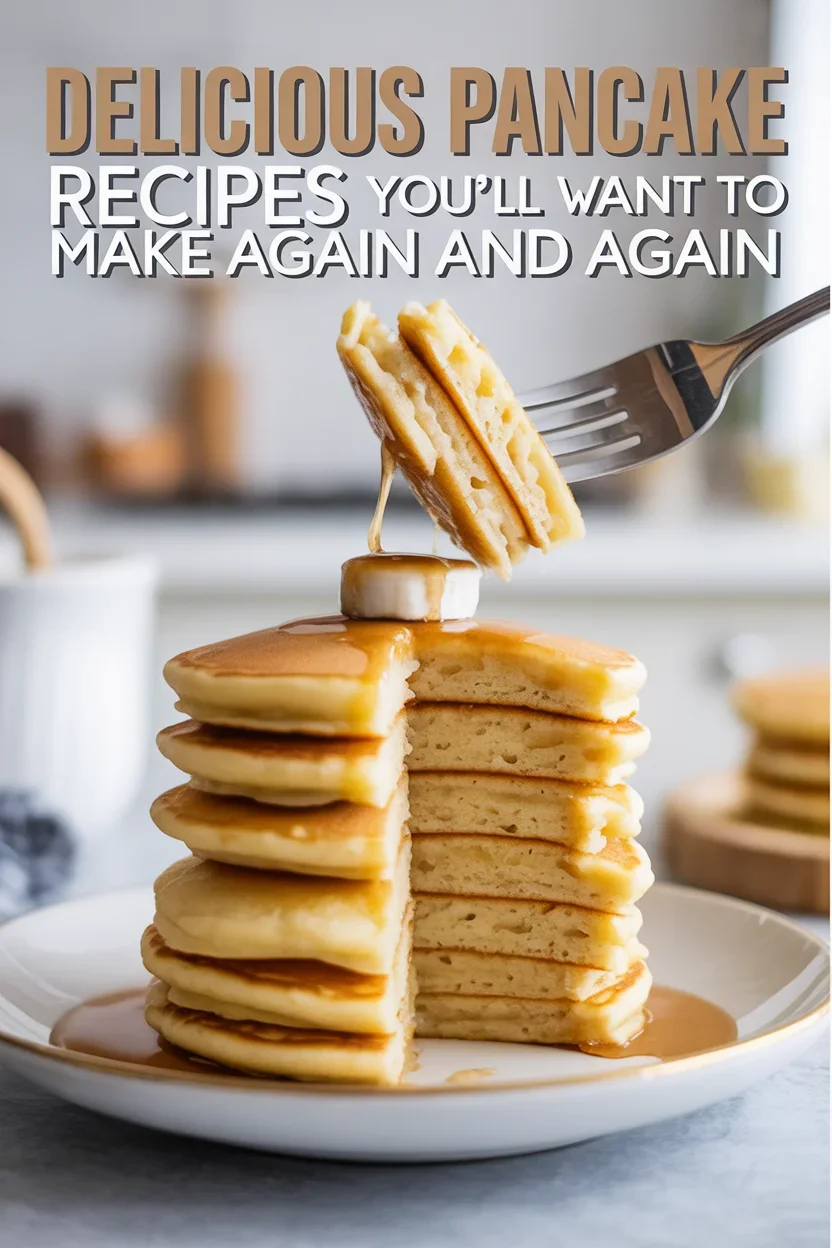
pancake recipes are magical when you need comfort, speed, and a warm breakfast that feels a little special. I’ve tested so many batters at home that my spatulas have opinions now, and I’ve learned what actually matters. If you’ve ever battled flat pancakes, gummy centers, or a skillet that acts like a mood ring, I get it. Today I’m sharing what works in my kitchen every single time, along with a few personal tricks to make your stack shine. Consider this your friendly guide to reliable, tasty pancakes you can enjoy on a sleepy weekend or a busy weekday. 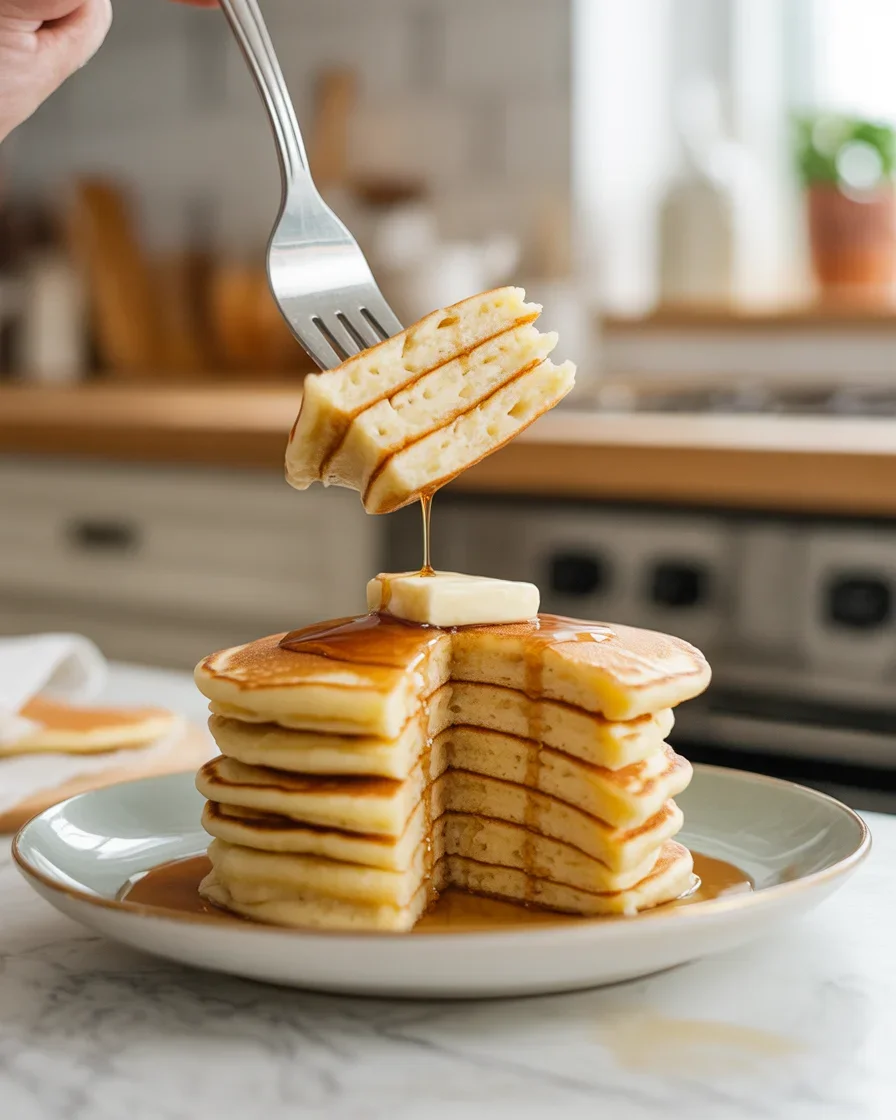
How to Make Pancakes
Let’s start with the basics. When you understand the rhythm of mixing and heating, pancakes become second nature. My goal here is that you can take a simple batter, use whatever pan you have, and still pull off a golden, fluffy stack. Also, I’ll drop a couple of techniques my family swears by for tender centers and crisp edges.
What You Will Need
- Dry: all-purpose flour, baking powder, a pinch of salt, and sugar
- Wet: milk or non-dairy milk, eggs, melted butter or neutral oil, vanilla
- Tools: nonstick skillet or well-seasoned griddle, flexible spatula, measuring cups, whisk, and a small ladle
Step-by-Step
1. Preheat your pan on medium heat for a few minutes. Consistent heat is the secret to even browning.
2. Whisk the dry ingredients in a bowl. In a separate bowl, whisk the wet ingredients. Pour wet into dry and stir just until combined. A few small lumps are good. Do not overmix.
3. Let the batter rest for 5 to 10 minutes. This helps the flour hydrate and the leavening do its thing so the pancakes puff better.
4. Lightly oil or butter the pan. Ladle in the batter, about a quarter cup per pancake. When bubbles form across the top and the edges look set, flip. Cook the second side for about a minute.
5. Keep pancakes warm on a low oven rack while you finish the batch. Serve with fruit, a pat of butter, or a drizzle of warm syrup.
Craving a twist that’s totally plant based yet cloud-level fluffy? Try these fluffy vegan Japanese soufflé pancakes when you want a lighter, taller stack without dairy.
Note: The main secret to pancakes you’ll actually repeat is respecting the heat and mixing less than you think. If you nail those, the rest is playtime.
The Building Blocks of Basic Pancakes
Think of pancake batter as a friendly team where each player has a job. When you know what each ingredient does, you can tweak the results and still keep things foolproof.
Core Ingredients and What They Do
Flour: All-purpose flour gives structure. You can swap a portion with whole wheat for nuttiness, or use a 1-to-1 gluten-free blend for a softer texture. If going whole wheat, add a splash more milk.
Baking powder: This is your lift. Freshness matters a lot. If it’s older than 6 months, replace it. Fresh baking powder creates that gentle rise and soft crumb.
Salt: It wakes up every other flavor. Don’t skip it. A small pinch goes a long way.
Sugar: Just a bit does two things. It adds mild sweetness and helps browning. If you like honey or maple, reduce the milk slightly so the batter doesn’t get too thin.
Eggs: They bind and add richness. For a lighter texture, separate the egg and fold in whipped whites at the end. For vegan pancakes, use flax eggs or check out these souffle-style vegan pancakes for an airy vibe.
Milk: It sets the batter thickness. Dairy or non-dairy both work. Aim for pourable but not runny. Think “slow ribbon” off a spoon.
Fat: Melted butter adds classic flavor. Oil keeps things moist and resists burning. If you like crispy edges, use a touch of oil in the pan.
Vanilla and extras: Vanilla makes pancakes smell like a hug. Cinnamon, lemon zest, or almond extract are fun too.
“I used to overthink pancakes until I tried your mix-less method with fresh baking powder. Total game changer. My kids actually cheer when I say it’s pancake day.”
For days when you want a tall, cloud-soft stack with easy steps, the fluffy vegan Japanese pancakes recipe on my site is a solid option even if you’re not vegan.
How to Make Fluffier Pancakes From Scratch
If your pancakes taste fine but look a little sleepy, let’s dial up the lift and tenderness. These tweaks are simple and really effective.
Simple Upgrades That Work
Rest the batter: Five to ten minutes is the sweet spot. It lets the flour absorb liquid and makes bubbles more stable. You’ll see a smoother pour and better rise.
Use fresh baking powder: Old leavening is the silent pancake flattener. Test it by adding a bit to hot water. If it foams, it’s active.
Separate the egg: Whip the white to soft peaks, then gently fold it in. This traps air and makes the pancakes extra fluffy without tasting eggy.
Balance the liquid: If batter is too thick, pancakes can be dense. If it’s too thin, they spread and cook up flat. Add milk a tablespoon at a time until the batter flows in a slow ribbon.
Heat level matters: Stick with medium heat. Too hot and outsides burn while centers stay raw. Too low and they dry out before browning.
Try a soured milk trick: Stir 1 teaspoon of lemon juice or vinegar into 1 cup of milk, wait 2 minutes, then use it in the batter. It boosts tenderness and helps the baking powder work harder.
If you want fluff without eggs or dairy, these vegan soufflé pancakes are surprisingly lofty and come together fast. I like them when I’m craving a lighter, bouncy texture that still feels like breakfast magic.
By the way, repeating the wins counts as a skill. My “repeat win” recipe notes are literally titled Delicious Pancake Recipes You’ll Want to Make Again and Again because once you find your groove, you’ll stick to it. The phrase isn’t hype, it’s how my weekends stay easy.
How to Store (and Reheat) Pancakes Without Ruining Them
You made a great batch, now guard the texture. Pancakes are delicate, but storage is simple if you keep air and moisture in check.
Storage and Reheating Made Easy
Short-term storage: Stack completely cooled pancakes with a small square of parchment between each. Keep in an airtight container in the fridge for up to 3 days.
Freezing: Freeze in a single layer on a sheet pan until firm, then transfer to a freezer bag. Squeeze out extra air. They’ll last up to 2 months and still taste great.
To reheat: For crisp edges, use a dry skillet on medium heat for 1 to 2 minutes per side. A toaster oven also works well. Microwave with a damp paper towel for 20 to 30 seconds if you’re in a rush, but expect a softer texture.
Revive with steam: If a pancake feels dry, add a few drops of water to the pan and cover for 10 seconds. Steam brings tenderness back fast.
And if you need a quick stack on a busy morning, I’ve had great luck reheating slices alongside a fresh batch of vegan Japanese pancakes for a breakfast spread that pleases everyone.
Keep these steps handy in your kitchen notes under Delicious Pancake Recipes You’ll Want to Make Again and Again, so your future self gets an easy win.
6 Short-Order-Cook-Approved Tips for Cooking Perfect Pancakes
- 1. Preheat the pan long enough: Give it 3 to 5 minutes on medium. A steady pan equals even browning.
- 2. Grease lightly, not heavily: Too much fat can fry the edges and darken the surface before the center is ready. A thin swipe is enough.
- 3. Portion with a scoop: Use a quarter-cup measure for uniform sizes. Even size means even timing.
- 4. Wait for the bubble signals: Flip when bubbles appear across the surface and edges look set. That’s your green light.
- 5. Don’t press the pancakes: Pressing forces steam out and flattens the texture. Let them puff naturally.
- 6. Wipe and re-grease between batches: A quick wipe keeps burnt bits from sticking to the next round and gives you that clean, golden look.
On days I want something extra playful, I swap my regular stack for these fluffy vegan Japanese pancakes. The extra height makes breakfast feel special without complicated steps.
These are the same tricks I use when building my go-to list of Delicious Pancake Recipes You’ll Want to Make Again and Again, because dependable tips beat fancy gadgets every time.
If you keep only one mantra from this section, let it be this: respect the heat and the batter rest. Those two habits lead to consistent success and fewer burnt edges.
Bookmark the soufflé-style vegan version if you’re feeding a mix of diets. It’s reliable and pairs well with berries, yogurt, or a maple drizzle.
Common Questions
Q: Why are my pancakes tough?
A: You probably overmixed the batter. Stir just until the flour disappears, then stop. Small lumps are good.
Q: My pancakes brown too fast. What am I doing wrong?
A: The pan is too hot. Lower to medium heat and preheat a bit longer so it cooks evenly without scorching.
Q: Can I make the batter ahead?
A: Mix the dry ingredients and wet ingredients separately the night before. Combine right before cooking, or mix the full batter and add a touch more baking powder in the morning.
Q: How do I get uniform shapes?
A: Use a quarter-cup scoop and pour straight down into one spot. Try not to move the ladle around the pan.
Q: What’s the best oil for cooking pancakes?
A: A neutral oil like canola or avocado oil works well. Butter adds flavor, but it can brown fast, so use a light touch.
Ready to Flip Your New Favorite Stack
Once you feel the rhythm, you’ll build your own list of Delicious Pancake Recipes You’ll Want to Make Again and Again and never stress about breakfast. If you want classic comfort, this Good Old-Fashioned Pancakes Recipe is a crowd pleaser. Prefer pro-tested fluff? Try The Easiest, Fluffiest Pancakes Recipe for clever technique. For guaranteed height, see this Fluffy Pancakes Recipe and the super-simple method from The BEST Fluffy Pancakes. I also like the reliable steps in Perfect Pancakes when I’m coaching a beginner. Now grab a whisk, heat that pan, and make today the day you master your stack.